Hydrangea Flowers Watercolor Clipart for Design
There is something quietly captivating about watercolor florals. They bring softness, texture, and a handcrafted feel that purely digital vectors often lack. Hydrangea flowers watercolor clipart, in particular, has become a go-to asset for designers, small business owners, and content creators who want to infuse their work with organic charm and a touch of botanical elegance. Whether you are packaging handmade soap, building a wedding invitation suite, or designing social media templates for a lifestyle brand, these clipart sets offer a versatile foundation that feels both polished and approachable.
The appeal lies in the medium itself. Watercolor creates natural variation in opacity, bloom, and edge softness. When applied to hydrangea blooms, the result captures the flower's signature fullness and subtle color gradations—from pale lavender to dusty blue, soft pink to sage green. Unlike stiff, flat illustrations, watercolor clipart retains a sense of movement and light. This makes it especially effective for projects where you want to communicate warmth, authenticity, or a handmade sensibility without sacrificing professionalism.
Visual Characteristics and Design Personality
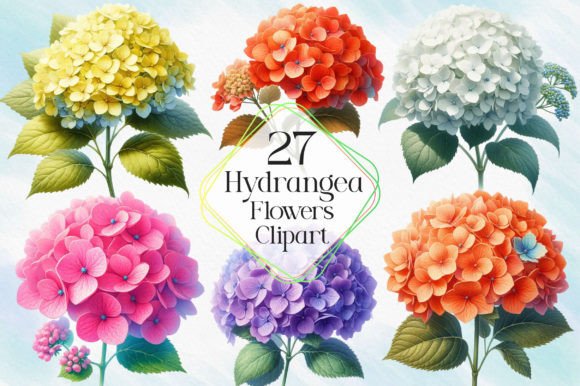
Hydrangea flowers watercolor clipart typically features large, rounded clusters composed of many small petals. The watercolor technique emphasizes the flower's layered structure through washes of color that bleed into one another. You will often see soft edges, slight paint splatters, and subtle white space left by the brush—details that mimic real paper and pigment. The color palettes tend to be romantic and subdued: dusty pinks, muted blues, lavender, cream, and sage. Some sets include leaves and stems rendered in loose, painterly strokes that complement the blooms without overpowering them.
The personality of this clipart is best described as gentle, organic, and refined. It does not scream for attention. Instead, it invites the viewer to linger. For branding and marketing, this tone is valuable. It suggests care, craftsmanship, and a respect for natural beauty. That is why you see it used so often in industries like wedding planning, skincare, boutique fashion, home decor, and lifestyle publishing. The style bridges the gap between fine art and commercial accessibility—elevated enough for premium packaging, yet warm enough for a personal blog header.
From a design asset perspective, these clipart sets function much like a premium font does in typography: they provide a consistent visual language that you can apply across different media. When you select a well-made watercolor hydrangea set, you are essentially choosing a curated color story and texture palette. That consistency becomes a shorthand for your brand identity, helping audiences recognize your content even before they read a single word.
Where Hydrangea Watercolor Clipart Works Best
The versatility of hydrangea flowers watercolor clipart extends across both print and digital applications. Here are some of the most effective use cases I have observed in real client and personal projects:
- Brand identity and logo design. A single hydrangea bloom rendered in watercolor can serve as a subtle brand mark for florists, event planners, spas, or organic skincare lines. Paired with clean sans serif typography, it balances softness with readability.
- Packaging design. Soap wrappers, candle labels, tea tins, and cosmetic boxes benefit from the handmade feel of watercolor florals. The clipart adds perceived value without requiring custom illustration costs.
- Wedding and event stationery. Invitations, save-the-dates, place cards, and menus are natural fits. The romantic palette and floral motifs align with the emotional tone of weddings.
- Social media graphics. Instagram posts, Pinterest pins, and Facebook covers featuring watercolor hydrangeas consistently perform well for lifestyle and beauty brands. The soft visuals act as a backdrop that makes text pop.
- Editorial and blog design. Blog headers, dividers, pull quotes, and sidebar elements become more inviting when framed with watercolor accents. This works especially well for content about gardening, wellness, home décor, or creative entrepreneurship.
- Digital product design. E-book covers, course worksheets, printable art, and planner pages all gain a cohesive aesthetic when you incorporate consistent floral elements.
- Commercial licensed products. Many clipart sets include a commercial license, meaning you can use them on items you sell—like greeting cards, mugs, apparel, and art prints—without paying additional royalties.
One observation from working with small business owners: the clipart shines brightest when used deliberately. A single hydrangea cluster centered on a product label creates a focal point. Scattering multiple blooms across a full page can feel busy. Think of it as you would a display font—use it to draw attention, not to fill space.
Influencing Perception, Readability, and Engagement
Design choices shape how audiences perceive your brand. Hydrangea flowers watercolor clipart influences that perception in several important ways. First, the organic texture signals quality and intentionality. In a digital world saturated with sterile, template-driven visuals, a watercolor element feels personal. It suggests that someone took time to curate the details. That emotional response builds trust.
Second, the clipart affects visual hierarchy. Because watercolor blooms have soft edges and muted contrast, they work well as background or accent elements that do not compete with text. You can place a hydrangea cluster behind a headline and maintain readability—especially if you pair it with a serif font or a bold sans serif that stands up to the organic shapes. This makes it easier to guide the viewer's eye from the visual to the message without friction.
Third, consistency across applications strengthens brand recognition. If your website header, product packaging, and social media templates all feature the same hydrangea watercolor style, customers begin to associate that aesthetic with your brand. Over time, the visual shorthand becomes part of your identity. This is the same principle behind selecting a consistent typeface family for all your communications. The clipart becomes a recurring design asset that reinforces your presence.
Audience engagement also benefits. Watercolor florals tend to perform well on platforms like Pinterest and Instagram, where soft, aspirational imagery drives saves and shares. For content creators, this means higher visibility. For e-commerce brands, it means longer dwell time on product pages. The emotional resonance of the flower itself—hydrangeas are often associated with gratitude, grace, and abundance—adds a layer of positive association that pure geometry cannot replicate.
Practical Guidance for Choosing and Using Hydrangea Clipart
Selecting the right hydrangea flowers watercolor clipart set requires more than picking the prettiest thumbnail. Here are considerations I recommend evaluating before you commit to a purchase:
- Assess the color palette. Does it align with your existing brand colors? Most sets offer two to five hues. If you need flexibility, look for sets that include separate elements in different colors so you can mix and match.
- Review the included styles. A good set provides more than just full blooms. Look for individual petals, leaves, stems, wreaths, borders, and smaller accent blossoms. These variations give you flexibility for different layouts.
- Check resolution and file format. Transparent PNG files with high resolution (300 DPI for print, at least 1500px wide for web) are essential. Some sets also include layered PSD files or editable vectors. Choose based on your software and output medium.
- Evaluate the license terms. If you are creating products for sale, confirm that the commercial license covers your use case. Some licenses restrict the total number of products you can sell or require credit to the artist.
- Test readability in context. Place the clipart behind sample text to ensure the contrast and softness do not obscure your message. Increase font weight or add a subtle drop shadow if needed.
- Consider font pairings. Watercolor florals pair beautifully with many type styles. For a romantic look, try a script font alongside the clipart. For a modern contrast, use a clean sans serif. For editorial projects, a serif font with gentle contrast works well. The key is balance: if the clipart is ornate, keep the typography simple.
When testing pairings, I often recommend pulling a color directly from the clipart using an eyedropper tool and applying it to your headline text. This creates a unified palette that feels intentional. For body copy, stick with neutral grays or dark charcoal to maintain readability.
Finally, think about the long-term usefulness of the asset. A well-chosen hydrangea flowers watercolor clipart set can serve your brand for years, appearing on seasonal promotions, evergreen product packaging, and refreshed website designs. Treat it as you would a quality commercial font: invest in a set that offers enough variety and resolution to grow with your needs. The right choice saves you time on future projects and keeps your visual identity cohesive without constant redesign.
In practice, I have seen small businesses build entire brand identities around a single clipart set—pairing it with a consistent typeface and a limited color palette to create recognition across every touchpoint. That is the real value of these design assets. They are not just decorations. They are building blocks for a visual language that communicates who you are, what you care about, and the quality people can expect from your work.