Watercolor Cat and Kitten Clipart: A Designer's Secret Weapon
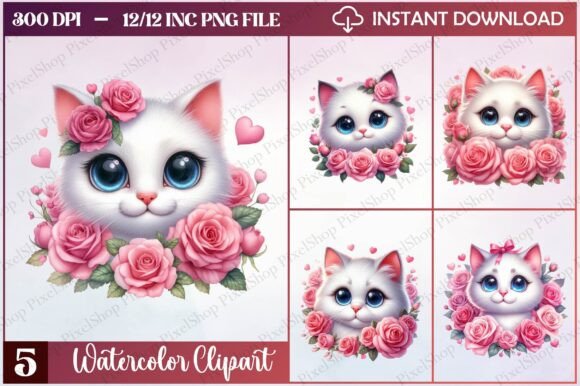
Every designer knows the struggle of finding that perfect visual element that bridges the gap between professional polish and heartfelt charm. Stock photos often feel sterile, and generic vectors lack soul. This is precisely where Watercolor Cat and Kitten Clipart steps in, offering a breath of fresh air for creatives looking to inject genuine warmth into their projects.
More Than Just Cute: Deconstructing the Aesthetic
The magic lies in the authenticity of the medium. True watercolor textures—the subtle granulation, the soft bleeding at the edges, the unpredictable blooms of pigment—give each cat and kitten a unique, handcrafted personality. This isn't rigid, corporate vector art. It's organic, expressive, and deeply nostalgic.
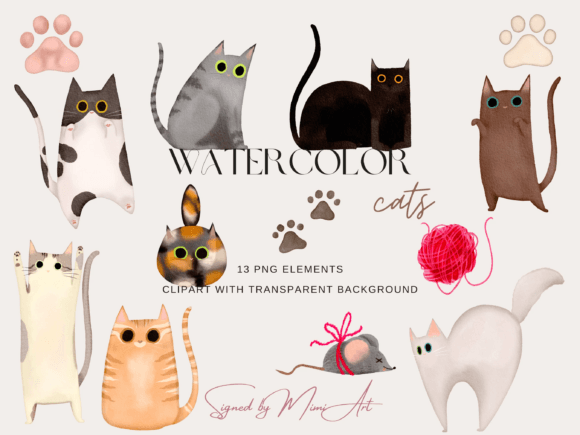
These design assets typically feature a range of poses and moods: a curious kitten pawing at a dangling thread, a serene adult cat lounging in a sunbeam, or a playful pair tumbling across the page. The color palettes are carefully curated, often leaning into pastel pinks, soft grays, warm ochres, and deep indigos to create a cohesive, professional look. Whether you're crafting a logo for a cat cafe or designing a children's book, the emotional range captured in these images provides an instant, genuine connection with your audience.
The appeal also lies in its versatility. A single set might offer loose, abstract washes of color ideal for backgrounds, alongside highly detailed portraits perfect for focal points. This duality allows you to build a complete visual ecosystem using just one collection of design assets, ensuring brand consistency from the hero image on your homepage to the small accent graphics in your email footer.
Where Warmth Wins: Perfect Applications for Your Business
The versatility of this clipart goes far beyond simple decoration. It's a strategic tool for building a brand that feels approachable and trustworthy. Here are some high-impact applications where it truly shines:
- Branding and Logo Design: For pet stores, veterinary clinics, or lifestyle brands aiming for a gentle, ethical image, a well-placed watercolor cat becomes an instantly recognizable symbol of your brand identity. It signals warmth and care before a single word is read.
- Marketing and Social Media Graphics: In crowded feeds, organic textures stop the scroll. These assets are perfect for Instagram stories, Pinterest pins, and Facebook ads. They drive higher engagement by tapping into the universal appeal of animals and the comforting aesthetic of hand-painted art.
- Editorial and Packaging Design: From artisan cat treat boxes to the pages of a heartwarming magazine feature, the tactile quality of watercolor translates beautifully to print. It adds a layer of sophistication and authenticity that standard stock imagery simply cannot match.
- Personal and Crafting Projects: Bullet journalists, stationery designers, and DIY enthusiasts can use these assets to create stunning planners, greeting cards, custom wall art, and scrapbook layouts. The personal touch of watercolor elevates handmade items into cherished keepsakes.
The Strategic Role of Typography Alongside Visual Assets
While the clipart itself is stunning, its true power emerges when paired with strategic modern typography. Treating a detailed watercolor cat as a central display font equivalent—your primary visual hook—means your typeface choices must complement, not compete.
Imagine a whimsical watercolor kitten paired with a clean, sturdy sans serif font like Montserrat or Lato. The contrast between the organic, fluid art and the structured, geometric type creates a striking visual hierarchy that feels both professional and playful. This combination is a winning formula for web design and logo design, offering a modern edge while keeping the overall tone friendly and accessible.
Conversely, pairing your clipart with a delicate script font or a soft handwritten font amplifies the charm and whimsy. This approach works beautifully for editorial design in children's publishing or for social media graphics aimed at a crafty, home-style audience. The key is balance. If you're using a highly detailed watercolor graphic, let it breathe. Use generous white space and choose a creative font for your headlines that echoes the art's emotional tone without overwhelming it.
Readability is paramount. Avoid placing large blocks of serif font body text directly over the busiest, most textured parts of the watercolor image. Instead, position your headlines in the clear negative space, such as the open sky or a blank wall, or use a semi-transparent solid shape behind your text to ensure contrast. This careful orchestration of font pairing and visual placement transforms a simple graphic into a cohesive, polished brand statement. The right commercial font paired with your clipart builds a sense of consistency and professionalism that speaks directly to your ideal audience.
A Practical Guide to Integrating Watercolor Cats into Your Workflow
Before you dive into your next project, consider these practical steps to ensure the best results and a smooth creative process.
Evaluating Project Fit
Not every brand needs a watercolor cat. Evaluate your brand's personality honestly. Are you targeting a playful, young audience? Is warmth your primary differentiator? If so, this style is an excellent choice. For a corporate law firm or a high-tech startup, it would likely feel out of place. Authenticity starts with alignment. Ask yourself: does the handcrafted, slightly imperfect nature of watercolor reinforce the story I am trying to tell?
Choosing the Right Set
Look for sets that offer high-resolution files (300 DPI for print and transparent PNGs for digital flexibility). A diverse set of poses, expressions, and compositional orientations gives you maximum creative freedom. Check the color palette rigorously to ensure it matches your existing brand identity or can serve as a strong, cohesive foundation for a new one. Some sets even include bonus design assets like watercolor splashes, leaves, or floral elements that make building a full scene effortless.
Licensing and Commercial Use
This is a critical step that is often overlooked. Always read the End User License Agreement (EULA) carefully. Many standard licenses for clipart sets restrict their use in logos or on merchandise intended for sale. If you are creating a logo for a paying client or printing these cats on t-shirts, mugs, or phone cases, you will almost certainly need an extended commercial license. Investing in the correct license protects you legally and shows respect for the artist's work. This is just as important as purchasing the correct commercial font license for your typeface.
Testing Font Pairings and Layouts
Don't settle for the first typeface you see. Experiment relentlessly. Use tools like Canva, Adobe Express, or your favorite design software to mock up a hero image with your chosen clipart and three different headliners: one serif font, one sans serif, and one script font. Play with scale. Make the cat huge and overlapping the text slightly for a modern, bold look, or keep it small and delicate for a refined, elegant feel. Ask for feedback from colleagues or peers. See which combination communicates the right message and projects the level of professionalism you are aiming for.
Bringing It All Together
In a digital landscape increasingly flooded with generic, AI-generated content, authenticity is the ultimate currency. Watercolor Cat and Kitten Clipart is not just a collection of images; it is an investment in a visual story that resonates on a human level. Whether you are a seasoned graphic designer building a client's brand, a small business owner launching a passion project, or a hobbyist adding personality to a craft, these assets offer a rare combination of emotional depth and professional versatility.
By understanding its aesthetic strengths, strategically pairing it with complementary typography, and adhering to proper licensing, you can harness the full potential of this charming medium. The result is work that does not just look good—it feels genuinely human. And in a world that craves connection, that is the most powerful tool you can have in your creative toolkit.