Watercolor Halloween Pumpkin Hat Clipart
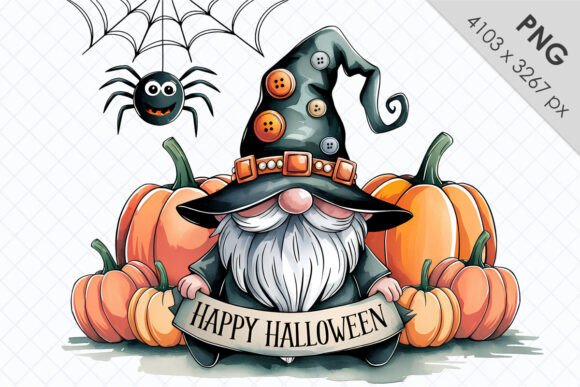
If you have ever scrolled past a Halloween graphic that felt either too cartoonish or too polished to use in a real project, you already know the problem. Most seasonal clipart leans hard into either childish clip art or hyper-detailed realism, leaving designers and content creators with surprisingly few middle-ground options. That is exactly where Watercolor Halloween Pumpkin Hat Clipart comes into play. It brings together the handcrafted warmth of watercolor painting with a subject that is undeniably festive—a pumpkin wearing a witch or wizard hat—without looking like something from a preschool craft bin. The appeal sits squarely in its texture, its imperfect edges, and the way it feels like someone actually painted it rather than rendered it in a vector program.
This style works because watercolor inherently softens the image. The pumpkin does not scream for attention with harsh outlines or flat fills. Instead, the paint pools and fades in ways that feel organic, almost nostalgic. For anyone working on Halloween branding, social media content, or packaging, that subtlety is a gift. It lets you use seasonal imagery without sacrificing a sophisticated or handcrafted brand identity. And because the clipart is typically offered as a high-resolution PNG or layered file, you can drop it into layouts, resize it, and layer it without fighting with backgrounds or losing quality.
What Sets Watercolor Pumpkin Hat Clipart Apart Visually
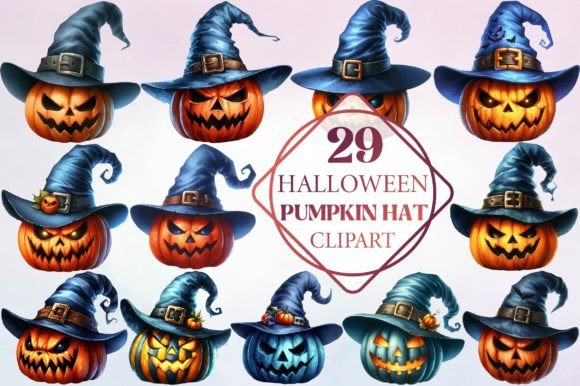
At first glance, you notice the color bleed. Watercolor Halloween Pumpkin Hat Clipart usually features warm oranges, deep purples, and muted greens that blend into one another rather than sitting in separate buckets. The hat might be a deep violet with splatters of black or indigo, while the pumpkin itself shows faint brushstroke ridges instead of perfectly uniform segments. This is not clipart designed to look mass-produced. It looks like a studio artist sat down with real paint and paper, scanned the result, and cleaned it up just enough for digital use. That balance matters.
Personality wise, these images lean whimsical but not silly. A pumpkin wearing a hat could easily cross into goofy territory, but the watercolor treatment keeps it artistic. The texture gives it depth, and the slight transparency of the paint layers makes it feel dimensional. When you place this kind of clipart against a dark background—say, a deep charcoal or midnight blue—the lighter paint edges catch the eye almost like real watercolor paper would. It invites people to look closer. That is rare for clipart, and it is exactly why designers working on Halloween projects keep coming back to this style.
Another visual characteristic worth noting is the use of negative space. Many watercolor pumpkin hat illustrations leave the hat brim or stem area partially unpainted or washed out, creating a natural highlight. That mimics how real watercolor behaves when the artist leaves white paper showing through. In a design context, that translates to breathing room. The clipart does not demand to be the only thing on the page. You can pair it with hand-lettered text, geometric borders, or even other watercolor elements without visual clutter. It plays well with others because it was never trying to dominate the layout in the first place.
Where This Clipart Works Best Across Projects
If you are a small business owner running a seasonal promotion or a blogger putting together Halloween content, the first instinct might be to use this clipart for a flyer or a blog header. Those are solid uses, but the versatility goes further. Watercolor Halloween Pumpkin Hat Clipart performs especially well in packaging design for limited-edition products. Think candle labels, soap wraps, or treat boxes where you want a handmade, artisanal feel. The watercolor aesthetic signals care and craftsmanship, which elevates a product from generic seasonal merchandise to something gift-worthy.
Social media graphics are another natural home. On Instagram or Pinterest, flat vector illustrations can sometimes feel sterile, while photography can be expensive or hard to control. Watercolor clipart splits the difference. You can use it as a background element behind quotes, as a featured image for a Halloween tutorial, or as part of a carousel promoting a seasonal sale. Because the clipart has texture, it performs well on screens. It does not get lost in compressed JPEG files the way fine details sometimes do.
For editorial designers and publishers, this clipart works beautifully in children's activity books, Halloween party invitations, or even menu designs for themed events. A restaurant or café running a Halloween weekend special could drop a pumpkin hat illustration onto a chalkboard-style menu and instantly communicate a festive mood without relying on tacky stock photos. The same goes for email marketing headers. A watercolor pumpkin hat framed by negative space draws the eye to your subject line and call-to-action without shouting. It is professional, seasonal, and memorable.
Print applications also benefit from the clipart's resolution. High-quality watercolor clipart is usually scanned at 300 DPI or higher, which means it holds up on banners, posters, and product tags. You are not limited to screens. That is a practical advantage for anyone who sells at craft fairs, runs a brick-and-mortar shop, or produces printed marketing materials. The same file can work across digital and physical formats, saving time and maintaining brand consistency.
How Watercolor Halloween Pumpkin Hat Clipart Shapes Brand Perception
Seasonal design is a tricky balance. Use too much of it, and your brand looks like it changes identity every few months. Use too little, and you miss opportunities to connect with your audience during times when they are actively looking for themed content. Watercolor Halloween Pumpkin Hat Clipart helps solve that because it does not overwhelm your existing brand identity. It layers on top of it. If your brand already uses warm tones, organic textures, or a handmade aesthetic, this clipart feels like a natural extension. If your brand is more modern or minimalist, the watercolor texture can serve as a deliberate contrast that adds warmth and personality without breaking your visual rules.
Consistency is another factor. When you source a cohesive set of watercolor Halloween clipart—pumpkins, hats, bats, stars, maybe a cat—you can carry a unified visual language across multiple assets. That builds recognition. Your audience starts to associate that soft, painterly look with your seasonal content. Over time, that association becomes part of your brand equity. It is subtle, but it is real. People remember how a design made them feel, and the handcrafted warmth of watercolor tends to evoke trust and approachability. For small businesses and solo entrepreneurs especially, that emotional connection matters more than any single sale.
Readability and hierarchy also benefit from intentional use of clipart. If you place a watercolor pumpkin hat as a focal point near your headline, the eye naturally moves from the illustration to the text. Because the clipart has soft edges and transparent washes, it does not compete with type the way a high-contrast vector might. That gives you more freedom with your headline font choices. You can use a bold serif or a clean sans serif, and the clipart will sit comfortably beside it rather than clashing. That is the kind of practical advantage that experienced designers value—it reduces the amount of tweaking needed to make a layout feel balanced.
Choosing and Using Pumpkin Hat Clipart Effectively
Not all watercolor clipart is created equal, and a little discernment goes a long way. When evaluating Watercolor Halloween Pumpkin Hat Clipart, start by looking at the paint quality. Is there visible grain or paper texture in the scan? Are the color transitions smooth, or do they look muddy? High-quality watercolor art preserves the luminosity of the paint. The orange should glow slightly, not look brown or flat. Also check the file format. PNG files with transparent backgrounds are ideal for most digital work, while layered PSD or SVG files give you more flexibility for print and web design.
Consider the hat style as well. Some pumpkin hat clipart features classic pointed witch hats, others lean toward wizard hats with stars, and some include flower-topped or ragged brim variations. Think about your audience and project tone before selecting. A star-covered wizard hat feels more magical and works well for children's content or whimsical branding. A dark, torn witch hat suits moodier Halloween themes or adult-focused content. Matching the hat style to your message avoids mixed signals.
Licensing is another practical piece many creators overlook. Commercial use rights vary widely with clipart. Some artists sell personal-use-only licenses, while others offer extended commercial licenses that allow you to use the art on products for sale, in digital templates, or within branding packages. If you are a designer creating assets for clients, or a publisher selling products that include the clipart, you need to verify that the license covers your use case. It is one of those details that can save you from legal headaches later and also ensures you are supporting artists fairly.
When it comes to font pairings, treat the clipart as you would a display illustration. It is a visual anchor, so your type should complement without competing. A handwritten script font can echo the organic feel of the watercolor, especially if the font has variable stroke widths and a slightly irregular baseline. Alternatively, a clean sans serif with generous letter spacing creates a modern contrast that keeps the layout from feeling too fussy. Avoid pairing watercolor clipart with heavy or ornate serifs unless the illustration is very subdued. The textures can clash visually, creating a crowded appearance that undermines the airy quality of the watercolor.
Testing your layout on both screen and print is also worth the time. Watercolor files can look different depending on the device screen's calibration or the paper stock used for printing. A glossy coated paper will make the colors pop and the texture less visible, while an uncoated matte stock will absorb the ink and soften the image further. If you are printing, request a proof before running a full batch. That small step has saved many small business owners from discovering too late that their beautiful clipart turned muddy in production.
Practical Tips for Designers, Marketers, and Creators
Start small if you are new to using watercolor clipart in your workflow. Pick one asset—a single pumpkin hat illustration—and build a single project around it. A social media post, a product label, or a small flyer. That lets you see how the clipart interacts with your existing design system without committing to a full rebrand. Pay attention to how your audience responds. Do they engage more with posts that use the watercolor element? Do customers mention the packaging feeling more personal? Those signals tell you whether to invest in a larger set.
Another practical move is to build a small library of complementary watercolor elements. If you plan to use watercolor pumpkin hat clipart across multiple campaigns, having matching bats, stars, borders, or background washes allows you to create cohesive seasonal content without reinventing the layout every time. Consistency in texture and palette across these assets strengthens your seasonal brand presence and makes your content instantly recognizable.
For marketers running Halloween campaigns, timing matters. Watercolor aesthetics tend to resonate well in early fall when audiences are still in a cozy, transitional mood. As Halloween approaches, the same clipart can feel fresh against darker backgrounds and bolder typography. Use it early in the season for gentle promotion and later for more direct calls to action. The clipart's inherent softness makes it versatile enough for both roles without feeling out of place.
Finally, do not underestimate the power of contrast. A watercolor pumpkin hat on a clean white background feels light and airy. The same clipart placed on a black or deep navy background becomes dramatic and moody. Experiment with background colors, textures, and overlays before settling on a final composition. Sometimes the most effective use of Watercolor Halloween Pumpkin Hat Clipart comes from pairing it with an unexpected backdrop or layering it behind semi-transparent text. Those are the moments when a simple illustration becomes the centerpiece of a memorable design.